Cluj-Napoca, Romania — September 11–14, 2025
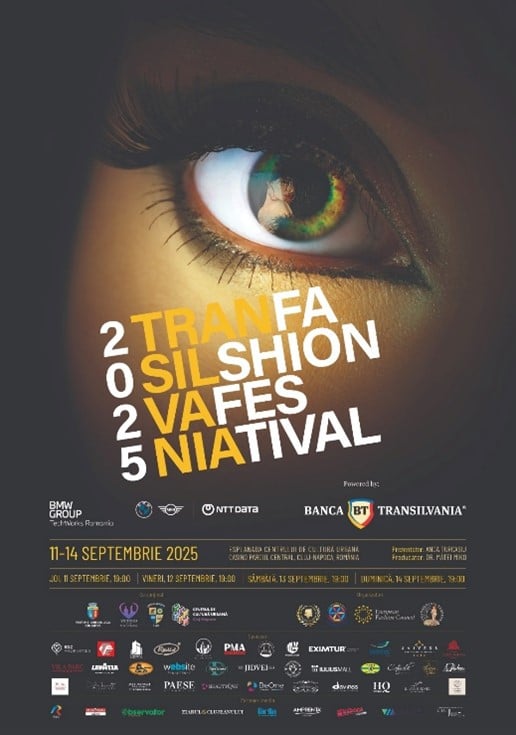
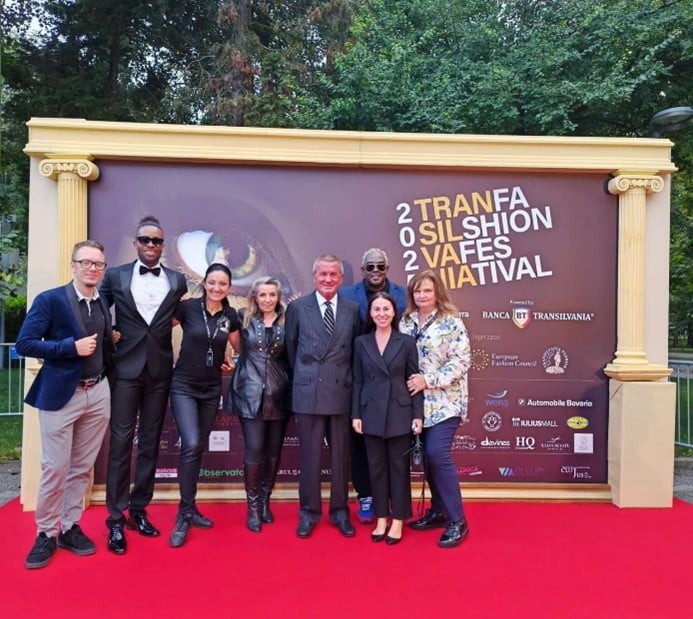
The Transilvania Fashion Festival once again turned Cluj-Napoca into a meeting place for creativity, design and innovation. Alongside the festival, the Transilvania Fashion Conferences brought together representatives from universities, designers and organizations from around the world to exchange ideas about the future of fashion, education and sustainability.
Education and Collaboration Without Borders
On Saturday, September 13, the festival hosted a panel dedicated to the academic programs of universities taking part in this year’s edition. Participants had the chance to present their educational offers, share their experiences and discuss future partnerships.
Among those present were:
Marija Pešić – University of Novi Sad, Serbia;
Aidarkhan Kaliev – Fashion Academy of Taraz, Kazakhstan;
Antoaneta Țică – UNARTE, Romania;
Alina Tocarciuc – UTM, Republic of Moldova;
Andrada Negru – UV Timișoara, Romania;
Mihai Zhang – Zhejiang Fashion Institute of Technology, China;
Alexander Britt – HTW Berlin, Germany.
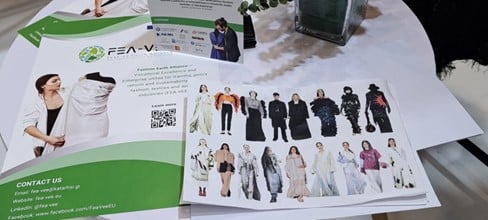
During this session, Anca Bălan (Romanian Fashion Council) presented FEA-VEE (Fashion Earth Alliance) – connecting universities and professionals from six European countries, focused on sustainability, policy reform and training for the fashion and textile industries.
The Silk Road: A Bridge Between Continents
The academic discussions continued with the launch of the project “Silk Road – History, Education & Fashion”, a cultural and educational collaboration that brings together institutions and professionals from Europe, Asia and Africa. The project aims to strengthen ties between continents and promote responsible growth within the global fashion industry.
Fashion for All – Inclusion and Innovation
The series of conferences concluded on Sunday, September 14, with the workshop “Fashion for All: Inclusive, Accessible, Relevant – SCRIPOR, The Tactile Color Code.”
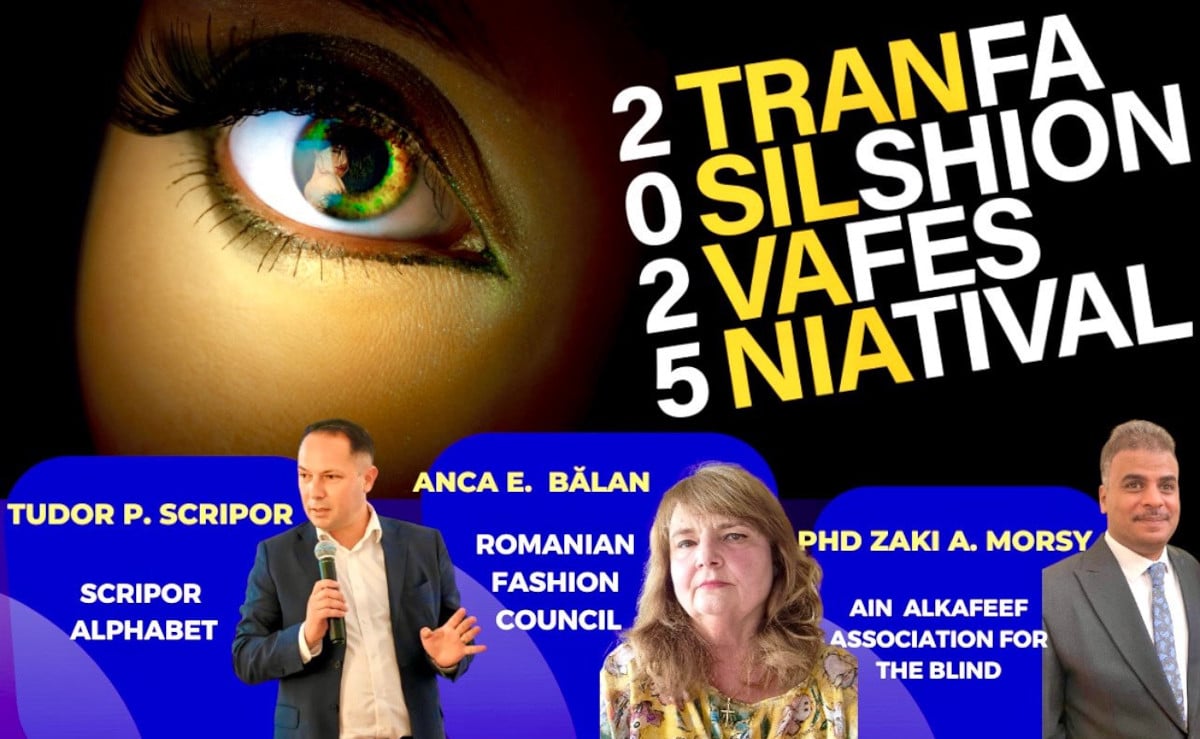
The event, led by Tudor P. Scripor (inventor of the Scripor Alphabet), together with Anca Bălan (Romanian Fashion Council) and PhD Zaki A. Morsy (Ain Alkafeef Association for the Blind), presented an extraordinary Romanian innovation: the tactile color code that allows blind people to recognize colors through touch.
“Through this workshop, we’re not just discussing clothes or trends — we’re reshaping the way we understand fashion. The Scripor Alphabet gives color a tactile dimension, making fashion something that everyone can experience,” said Tudor Scripor.
The project encourages the industry to rethink its role — to become more inclusive, more relevant and truly connected to the real needs of people.
It marks a new chapter in which fashion is not only seen, but also felt — a language of creativity, inclusion and dignity.